

Catalog 
Dota 2
LiveActionStrategyMOBA
- Platforms
- Release:
- 2013
- Developer:
- Valve
- Scale:
- Average concurrent players597,000
- Player rating:
- 80.5% · 2.8M
- Profile data as of:
- August 29, 2026
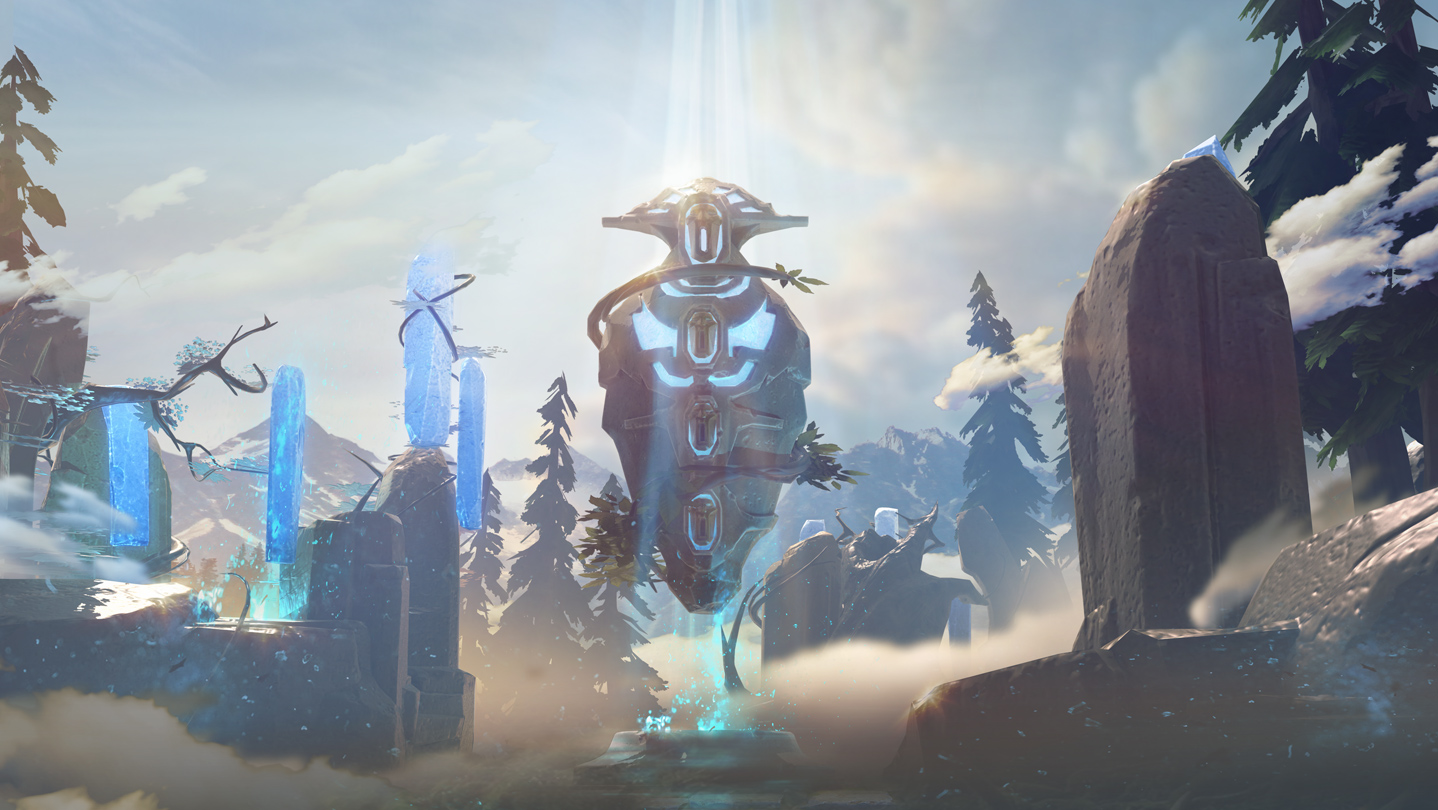
Every day, millions of players worldwide enter battle as one of over a hundred Dota heroes. And no matter if it's their 10th hour of play or 1,000th, there's always something new to discover. With regular updates that ensure a constant evolution of gameplay, features, and heroes, Dota 2 has taken on a life of its own.
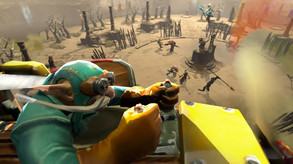
Screenshots
Images from the source page, in source order. Select an image to view it full size.
Videos
Videos from the game’s source page, in source order. Select one to open the original.
Overview
- Franchise
- Dota (brand)
- Dota (series)
- Release date
- Windows — July 9, 2013
- macOS — July 9, 2013
- Linux — July 9, 2013
- Developer
- Publisher
- Age rating
- USK 12 — age 12+ · Steam Store
- GRAC 12+ — Ages 12+ · Steam Store
- ClassInd 18 — Ages 18+ · Steam Store
- Content warnings
- Mature content
- Interaction modes
- Multiplayer
- Session capacity
- 10 online co-op · IGDB mirror
- Access model
- Free to play
- Monetization
- In-app purchases
- Storefront price
- Unknown
- Store contents
- 2 DLC · Steam Store, August 29, 2026
- Languages
- EnglishRussianUkrainianGermanFrenchSpanishPortuguesePortuguese, BrazilItalianPolish
Classification
- Genres
- ActionStrategyMOBAEvidence:
- Setting and subject matter
- Fantasy, Military Evidence:
- Camera
- Third-person, Isometric Evidence:
- Visual style
- Unknown
- Combat system type
- Unknown
Scale
Concurrent players · period average
597,000
August 18, 2026 — September 17, 2026
under 100over 1 million
- Detailed value
- 597,425.98
- Coverage
- Steam
- Origin
- Published by source
- Confidence
- Medium — The site's calculation method is not published
- Basis
- Average concurrent Steam players over 30 days from Steam Charts: 597,425
- Date observed
- September 17, 2026
- Source
- Steam Charts
Concurrent players · period peak
981,000
August 18, 2026 — September 17, 2026
under 100over 1 million
- Detailed value
- 981,123
- Coverage
- Steam
- Origin
- Published by source
- Confidence
- Medium — The site's calculation method is not published
- Basis
- Peak concurrent Steam players over 30 days from Steam Charts: 981,123
- Date observed
- September 17, 2026
- Source
- Steam Charts
- Ratings
- players80.5% · 2.8MSteam, US storefront · Steam reviews
- players79.1%Global · IGDB mirror
- critics90.5%Global · IGDB mirror
- critics90%Steam, US storefront · Steam Store
- Last update
- August 27, 2026 — The International 2026 Grand Champions (8 updates over 90 days) · Steam update feed
Concurrent players
period average · July 2012 — August 2026 · Steam · published by source · Steam Charts
709,0000
July 2012August 2026
- Change over period
- ×11.7increase from 52,700 (July 2012) to 617,000 (August 2026)
- Gaps
- No gaps in observed months
- Observations
- 170
Mechanics
Key game systems from the Mechanics Catalog. Assessment axes are independent and are not combined into a single score. An unassessed mechanic is unknown, not absent.
A persistent player organization created or recognized by the game itself, with a stable membership, a life beyond one session, a shared identity, functions, and goals.
The current official-source search did not establish a persistent in-game Dota 2 Guild at the 2026-09-02 boundary. It also does not establish the membership unit or current collectivity form; the legacy values lacked claim-level evidence and are not carried forward as current facts.
- Access cost:
- Unknown
- Product horizon:
- Unknown
- Depth:
- Unknown
- Core experience relevance:
- Unknown
- Observed adoption:
- Unknown— Current official material did not establish present Guild operation, so adoption cannot be assessed for the 2026-09-02 boundary. Historical participation signals were not projected forward.
- Structural expectation:
- Unknown
- Player dependency:
- Unknown
- Change direction:
- Not assessed
- Assessment type:
- Unknown
- Confidence:
- Insufficient data— Current Valve material did not establish present Guild operation, membership unit, or collectivity form. The legacy membership and collectivity values lacked claim-level evidence, so they were withdrawn rather than projected into 2026.
research draft · methodology 0.4 · September 2, 2026
Assessment scope: Play focused on guild rewards and social organization
For play focused on guild rewards and social organization, the official-source search did not find a current page establishing persistent Dota 2 guild membership, governance, or rewards. Adjacent Dota Plus and match features do not resolve Presence.
- Access cost:
- Unknown
- Product horizon:
- Unknown
- Depth:
- Unknown
- Core experience relevance:
- Unknown
- Observed adoption:
- Unknown— No compatible segment-specific numerator and active eligible denominator were found for the same observation window.
- Structural expectation:
- Unknown
- Player dependency:
- Unknown
- Change direction:
- Not assessed
- Assessment type:
- Unknown
- Confidence:
- Insufficient data— Mechanic-specific searches of current Valve pages returned adjacent Dota Plus, team, and tournament features but no current persistent guild specification. Silence was not treated as absence.
research draft · methodology 0.4 · September 2, 2026
Assessment scope: Regular match play
For regular match play, the official-source search did not find a current page establishing persistent Dota 2 guild membership, governance, or rewards. Adjacent Dota Plus and match features do not resolve Presence.
- Access cost:
- Unknown
- Product horizon:
- Unknown
- Depth:
- Unknown
- Core experience relevance:
- Unknown
- Observed adoption:
- Unknown— No compatible segment-specific numerator and active eligible denominator were found for the same observation window.
- Structural expectation:
- Unknown
- Player dependency:
- Unknown
- Change direction:
- Not assessed
- Assessment type:
- Unknown
- Confidence:
- Insufficient data— Mechanic-specific searches of current Valve pages returned adjacent Dota Plus, team, and tournament features but no current persistent guild specification. Silence was not treated as absence.
research draft · methodology 0.4 · September 2, 2026
An in-game system where player decisions materially influence at least part of the production, supply, distribution, or price of in-game value.
Official material documents marketable Dota 2 cosmetics that players can purchase from one another through the Steam platform layer. Under methodology section 12.8 this is external_only and does not create built-in economy Depth.
- Access cost:
- Unknown
- Product horizon:
- Unknown
- Depth:
- Not applicable
- Core experience relevance:
- Not applicable
- Observed adoption:
- Not applicable— Reach is not assessed for an external platform-market contour; unique participants and the eligible audience were not established.
- Structural expectation:
- Not applicable
- Player dependency:
- Not applicable
- Change direction:
- Not assessed
- Assessment type:
- Unknown
- Confidence:
- High— Valve's Dota 2 page and Steam Community Market identify player purchases and Dota 2 listings on the platform layer. Internal player-economy Depth is not claimed.
research draft · methodology 0.2 · September 2, 2026
A system where players or organizations capture, hold, and use parts of the game world with lasting consequences.
Official-source search did not resolve transferable, contestable ownership that persists beyond one session for this product boundary. Silence was not treated as absence.
- Access cost:
- Unknown
- Product horizon:
- Unknown
- Depth:
- Unknown
- Core experience relevance:
- Unknown
- Observed adoption:
- Unknown— Adoption reach is unmeasured: primary sources provide neither unique participants nor a compatible active-audience denominator.
- Structural expectation:
- Unknown
- Player dependency:
- Unknown
- Change direction:
- Unknown
- Assessment type:
- Unknown
- Confidence:
- Insufficient data— On 2026-09-02, official-domain mechanic-specific searches for Dota 2 did not yield indexed primary evidence resolving Presence. Secondary sources were excluded.
research draft · methodology 0.3 · September 2, 2026
Structured competition between players with rules and a measurable outcome, usually including skill-based matchmaking.
Primary evidence identifies a competitive PvP mode, but it does not resolve the recorded-result unit required to score the rating ladder above 1. Other unresolved features remain Unknown.
- Access cost:
- Unknown
- Product horizon:
- Unknown
- Depth:
- at most 1 of 5 — Casual matches
- What limits the result:
- Rating and ladder: The recorded-result unit remains Unknown, so the rating ladder cannot be scored above 1 and level 2 is not established.
- Core experience relevance:
- Unknown
- Observed adoption:
- Unknown— Adoption reach is unmeasured: primary sources provide neither unique participants nor a compatible active-audience denominator.
- Structural expectation:
- Unknown
- Player dependency:
- Unknown
- Change direction:
- Unknown
- Assessment type:
- Unknown
- Confidence:
- Medium— 1 primary URL was reviewed on 2026-09-02. Each populated claim is bounded by its exact excerpt; unresolved values remain Unknown.
Component scores (0–4):
- Competitive formats1 of 4 — Score 1 for structured formats is bounded by the cited official claim: “At least 100 lifetime ranked games”
- MatchmakingNot assessed — Primary evidence did not resolve opponent matchmaking; retained as Unknown.
- Rating and ladderNot assessed — The reviewed primary source names competitive or ranked play but does not identify a recorded-result unit; the component remains Unknown.
- Seasons and rewardsNot assessed — Primary evidence did not resolve seasonal competition and rewards; retained as Unknown.
- Competitive integrityNot assessed — Primary evidence did not resolve competition-integrity controls; retained as Unknown.
- Skill expressionNot assessed — Primary evidence did not resolve skill differentiation; retained as Unknown.
- Game integrationNot assessed — Primary evidence did not resolve links to other game loops; retained as Unknown.
research draft · methodology 0.3 · September 2, 2026
Assessment scope: Competitive segment
Primary evidence identifies a competitive PvP mode, but it does not resolve the recorded-result unit required to score the rating ladder above 1. Other unresolved features remain Unknown.
- Access cost:
- Unknown
- Product horizon:
- Unknown
- Depth:
- at most 1 of 5 — Casual matches
- What limits the result:
- Rating and ladder: The recorded-result unit remains Unknown, so the rating ladder cannot be scored above 1 and level 2 is not established.
- Core experience relevance:
- Unknown
- Observed adoption:
- Unknown— Adoption reach is unmeasured: primary sources provide neither unique participants nor a compatible active-audience denominator for this segment.
- Structural expectation:
- Unknown
- Player dependency:
- Unknown
- Change direction:
- Unknown
- Assessment type:
- Unknown
- Confidence:
- Medium— The supplemental segment boundary was reviewed separately on 2026-09-02. 1 primary URL was reviewed on 2026-09-02. Each populated claim is bounded by its exact excerpt; unresolved values remain Unknown.
Component scores (0–4):
- Competitive formats1 of 4 — Score 1 for structured formats is bounded by the cited official claim: “At least 100 lifetime ranked games”
- MatchmakingNot assessed — Primary evidence did not resolve opponent matchmaking; retained as Unknown.
- Rating and ladderNot assessed — The reviewed primary source names competitive or ranked play but does not identify a recorded-result unit; the component remains Unknown.
- Seasons and rewardsNot assessed — Primary evidence did not resolve seasonal competition and rewards; retained as Unknown.
- Competitive integrityNot assessed — Primary evidence did not resolve competition-integrity controls; retained as Unknown.
- Skill expressionNot assessed — Primary evidence did not resolve skill differentiation; retained as Unknown.
- Game integrationNot assessed — Primary evidence did not resolve links to other game loops; retained as Unknown.
research draft · methodology 0.3 · September 2, 2026
Assessment scope: Regular player
The reviewed official evidence documents the competitive ladder in another segment, but does not resolve this mechanic for the exact boundary “Regular player”.
- Access cost:
- Unknown
- Product horizon:
- Unknown
- Depth:
- Unknown
- Core experience relevance:
- Unknown
- Observed adoption:
- Unknown— Adoption reach is unmeasured: primary sources provide neither unique participants nor a compatible active-audience denominator for this segment.
- Structural expectation:
- Unknown
- Player dependency:
- Unknown
- Change direction:
- Unknown
- Assessment type:
- Unknown
- Confidence:
- Insufficient data— On 2026-09-02, no segment-specific primary evidence was retained for “Regular player”; silence was not treated as absence.
research draft · methodology 0.3 · September 2, 2026
A regular rhythm of meaningful updates, including seasons, patches, events, and a roadmap that supports a long product life.
The retained primary item identifies a release-related fact, but the package does not contain the complete dated release series, cadence observations, support-team boundary, and persistence evidence required by section 15.13. A positive live-service result is therefore not published.
- Access cost:
- Unknown
- Product horizon:
- Unknown
- Depth:
- Unknown
- Core experience relevance:
- Unknown
- Observed adoption:
- Unknown— No compatible participation numerator and eligible-audience denominator were assembled for this exact boundary.
- Structural expectation:
- Unknown
- Player dependency:
- Unknown
- Change direction:
- Not assessed
- Assessment type:
- Unknown
- Confidence:
- Insufficient data— The checked source is insufficient for a positive result because the minimum evidence set in section 15.13 is incomplete.
Component scores (0–4):
- Release cadenceNot assessed
- Release announcementsNot assessed
- Content scope and typeNot assessed
- Seasonal structureNot assessed
- Event calendarNot assessed
- Roadmap transparencyNot assessed
- Response to playersNot assessed
- Game integrationNot assessed
research draft · methodology 0.3 · September 2, 2026
Assessment scope: Competitive segment
The retained primary item identifies a release-related fact, but the package does not contain the complete dated release series, cadence observations, support-team boundary, and persistence evidence required by section 15.13. A positive live-service result is therefore not published.
- Access cost:
- Unknown
- Product horizon:
- Unknown
- Depth:
- Unknown
- Core experience relevance:
- Unknown
- Observed adoption:
- Unknown— No compatible participation numerator and eligible-audience denominator were assembled for this exact boundary.
- Structural expectation:
- Unknown
- Player dependency:
- Unknown
- Change direction:
- Not assessed
- Assessment type:
- Unknown
- Confidence:
- Insufficient data— The checked source is insufficient for a positive result because the minimum evidence set in section 15.13 is incomplete.
Component scores (0–4):
- Release cadenceNot assessed
- Release announcementsNot assessed
- Content scope and typeNot assessed
- Seasonal structureNot assessed
- Event calendarNot assessed
- Roadmap transparencyNot assessed
- Response to playersNot assessed
- Game integrationNot assessed
research draft · methodology 0.3 · September 2, 2026
Assessment scope: Event reward collector
The retained primary item identifies a release-related fact, but the package does not contain the complete dated release series, cadence observations, support-team boundary, and persistence evidence required by section 15.13. A positive live-service result is therefore not published.
- Access cost:
- Unknown
- Product horizon:
- Unknown
- Depth:
- Unknown
- Core experience relevance:
- Unknown
- Observed adoption:
- Unknown— No compatible participation numerator and eligible-audience denominator were assembled for this exact boundary.
- Structural expectation:
- Unknown
- Player dependency:
- Unknown
- Change direction:
- Not assessed
- Assessment type:
- Unknown
- Confidence:
- Insufficient data— The checked source is insufficient for a positive result because the minimum evidence set in section 15.13 is incomplete.
Component scores (0–4):
- Release cadenceNot assessed
- Release announcementsNot assessed
- Content scope and typeNot assessed
- Seasonal structureNot assessed
- Event calendarNot assessed
- Roadmap transparencyNot assessed
- Response to playersNot assessed
- Game integrationNot assessed
research draft · methodology 0.3 · September 2, 2026
Assessment scope: Segments outside competitive play
The retained primary item identifies a release-related fact, but the package does not contain the complete dated release series, cadence observations, support-team boundary, and persistence evidence required by section 15.13. A positive live-service result is therefore not published.
- Access cost:
- Unknown
- Product horizon:
- Unknown
- Depth:
- Unknown
- Core experience relevance:
- Unknown
- Observed adoption:
- Unknown— No compatible participation numerator and eligible-audience denominator were assembled for this exact boundary.
- Structural expectation:
- Unknown
- Player dependency:
- Unknown
- Change direction:
- Not assessed
- Assessment type:
- Unknown
- Confidence:
- Insufficient data— The checked source is insufficient for a positive result because the minimum evidence set in section 15.13 is incomplete.
Component scores (0–4):
- Release cadenceNot assessed
- Release announcementsNot assessed
- Content scope and typeNot assessed
- Seasonal structureNot assessed
- Event calendarNot assessed
- Roadmap transparencyNot assessed
- Response to playersNot assessed
- Game integrationNot assessed
research draft · methodology 0.3 · September 2, 2026
A system for long-term character or account development through levels, skills, equipment, and specializations.
Assessment scope: In-match progression
The checked primary excerpt does not establish Presence or Absence for character progression in this assessment boundary: Free hero access before a match does not establish whether capability progression occurs during matches or in a persistent account layer.
- Access cost:
- Free access
- Product horizon:
- Unknown
- Depth:
- Unknown
- Core experience relevance:
- Unknown
- Observed adoption:
- Unknown— No participation numerator or eligible-audience denominator can be derived while mechanic Presence remains unresolved.
- Structural expectation:
- Unknown
- Player dependency:
- Unknown
- Change direction:
- Not assessed
- Assessment type:
- Unknown
- Confidence:
- Insufficient data— Silence or an adjacent product claim cannot support a negative mechanic conclusion. Free hero access before a match does not establish whether capability progression occurs during matches or in a persistent account layer.
Component scores (0–4):
- Path length and structureNot assessed
- Progression axesNot assessed
- Specialization choiceNot assessed
- Role of equipmentNot assessed
- Progression sourcesNot assessed
- Progress persistence and carry-overNot assessed
- Game integrationNot assessed
research draft · methodology 0.3 · September 2, 2026
Assessment scope: Persistent account layer
The checked primary excerpt does not establish Presence or Absence for character progression in this assessment boundary: Free hero access before a match does not establish whether capability progression occurs during matches or in a persistent account layer.
- Access cost:
- Free access
- Product horizon:
- Unknown
- Depth:
- Unknown
- Core experience relevance:
- Unknown
- Observed adoption:
- Unknown— No participation numerator or eligible-audience denominator can be derived while mechanic Presence remains unresolved.
- Structural expectation:
- Unknown
- Player dependency:
- Unknown
- Change direction:
- Not assessed
- Assessment type:
- Unknown
- Confidence:
- Insufficient data— Silence or an adjacent product claim cannot support a negative mechanic conclusion. Free hero access before a match does not establish whether capability progression occurs during matches or in a persistent account layer.
Component scores (0–4):
- Path length and structureNot assessed
- Progression axesNot assessed
- Specialization choiceNot assessed
- Role of equipmentNot assessed
- Progression sourcesNot assessed
- Progress persistence and carry-overNot assessed
- Game integrationNot assessed
research draft · methodology 0.3 · September 2, 2026
Games in the same genres
Includes this game’s genres (Action, Strategy, MOBA) and their subgenres, sorted by concurrent players from highest to lowest.

PUBG: BATTLEGROUNDS
Shooters, Battle Royale, Action, Adventure, Open-world survival
2017Average concurrent players309,000
Other projects: Valve
Catalog games linked to this company in any role, sorted by concurrent players from highest to lowest.
Artifact
Strategy, Card and board games, CCG, Card battler, Deckbuilder
2018Average concurrent players8,660

Dota Underlords
Strategy, Auto Battler, Board game, Casual and puzzle
2019Average concurrent players816